When I speak with someone about the climate crisis, I begin with bathtubs. That’s because Earth’s atmosphere is like a bathtub with a faucet, a drain, and only so much capacity. The faucet controls the amount of carbon dioxide we put in the tub and can range from zero emissions to dangerously high amounts. The drain determines how much carbon dioxide we take out of the tub through natural carbon sinks like forests and oceans. The water already in the tub represents the amount of carbon dioxide in the atmosphere, too much now and increasing, but at one time precisely the right amount.
Let’s briefly look at history. In pre-industrial times, carbon dioxide in the atmosphere was about 280 parts per million, and the environment was balanced. Continuing with the bathtub analogy, the faucet was set so that the amount of carbon dioxide naturally released into the atmosphere was equal to the amount drained by natural sinks like the oceans and forests. Since then, humanity has continually added more carbon dioxide to the atmosphere, and now, for the first time in history, atmospheric carbon dioxide is over 410 parts per million and increasing at an alarming rate.
Now let’s look at trends. In the last hundred years, humanity has based its world economy on fossil fuels. We’ve built cars, planes, boats, and buildings, substantially contributing to carbon emissions, a warming environment, deteriorating weather patterns, wildlife extinctions, and the first wave of climate refugees. In addition, the world has lost a forest the size of the United States, primarily because of agriculture, so we’ve lost a substantial carbon sink. Humanity has also mostly ignored clear climate science since 1989, when President George Bush vowed to solve the climate issue.
These choices have made it substantially more challenging to mitigate the crisis now. Most of them seemed rational at the time, primarily so economies, companies, and humanity could grow and flourish in the short run, but from a climate perspective, we now know they will rob our children and grandchildren of the livable planet they deserve.
Many of us in Harvard have noticed weather patterns are becoming more extreme. We’ve seen temperatures increase over the last decade and produce some of the hottest summers on record. We’ve witnessed ice storms, tornadoes, droughts, and algae blooms in Bare Hill Pond. During the summer, some of us have even helped put out a few wildfires near Route 2. All of these are related to the carbon dioxide we’ve put into the atmosphere, and, unfortunately, these trends will worsen in the coming decades even if we zero-out emissions today.
Where are we headed? Well, we all know a bathtub overflows when we put water in it faster than the drain can remove the water. We are emitting greenhouse gasses much faster than the forests and oceans can absorb them. As a result, the planet has become dangerously unbalanced, and if we don’t stop, eventually, the bathtub will overflow, and the Earth will cease to be livable. Anyone who tells you otherwise is ignoring the abundant, incontrovertible science.
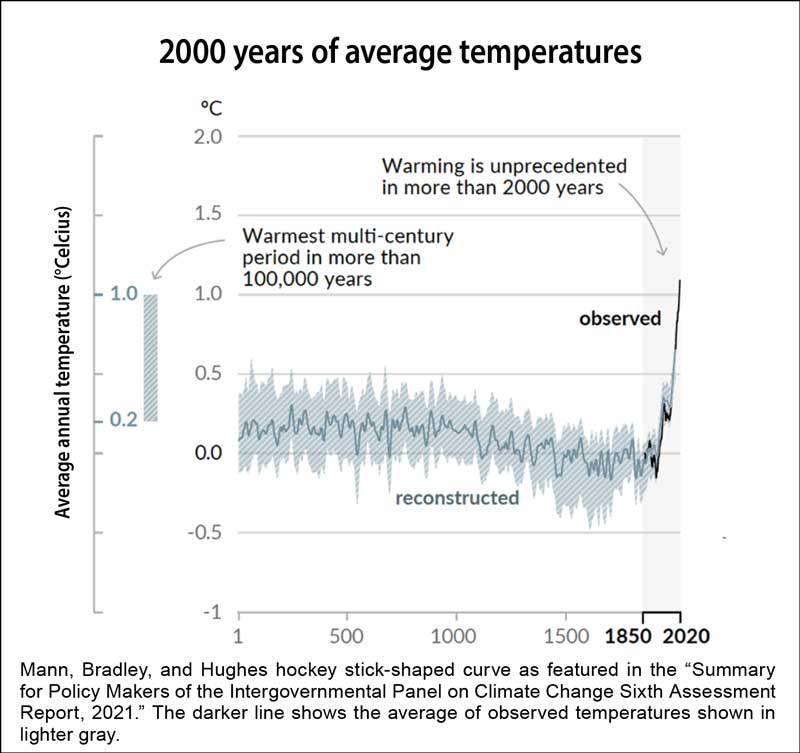
Speaking of which, sometimes I run into a skeptic during a conversation on the bathtub model. These folks believe we are in a natural cycle. The planet has warmed before (true), and the climate crisis is fiction. When this happens, I show them a hockey stick-shaped curve detailing how emissions have skyrocketed in the last hundred years compared to the previous thousand. They usually change their mind when they see it. Other skeptics point out that we aren’t the largest carbon emitter anymore. That’s also true, and while other large countries need to do their part, current U.S. emissions are the wrong metric. For these folks, I go back to the bathtub model and point out that the U.S. has put the most water in the tub since the Industrial Revolution. Because emissions stay in the atmosphere for up to a thousand years, the correct data to consider are total U.S. emissions over time instead of current emissions. Most skeptics aren’t aware of how long carbon dioxide emissions stay in the atmosphere and concede their point after learning about it.
Next month’s article will be the first of many pieces on solutions to the climate crisis.
Rich Marcello is a novelist and a member of the Climate Initiative Committee. In writing his latest novel, he spent several years researching the climate crisis.